⏱️OS-Marathon
Benchmarking Computer-Use Agents on Vast-Horizon, Repetitive Tasks
EMNLP Main Conference 2026
Jing Wu1, *
Wenjie Ai4
Daphne Barretto2
Yiye Chen3, *
Qingyu Chen5
Yuhang He2
Pranit Chawla2, ‡
Nicholas Gydé2
Yanan Jian2, ‡
Vibhav Vineet2
1University of Oxford 24
*Work completed during an internship at Microsoft
‡Work completed during employment at Microsoft
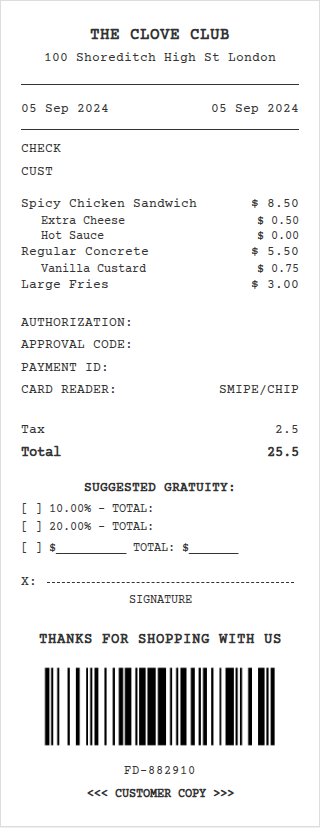

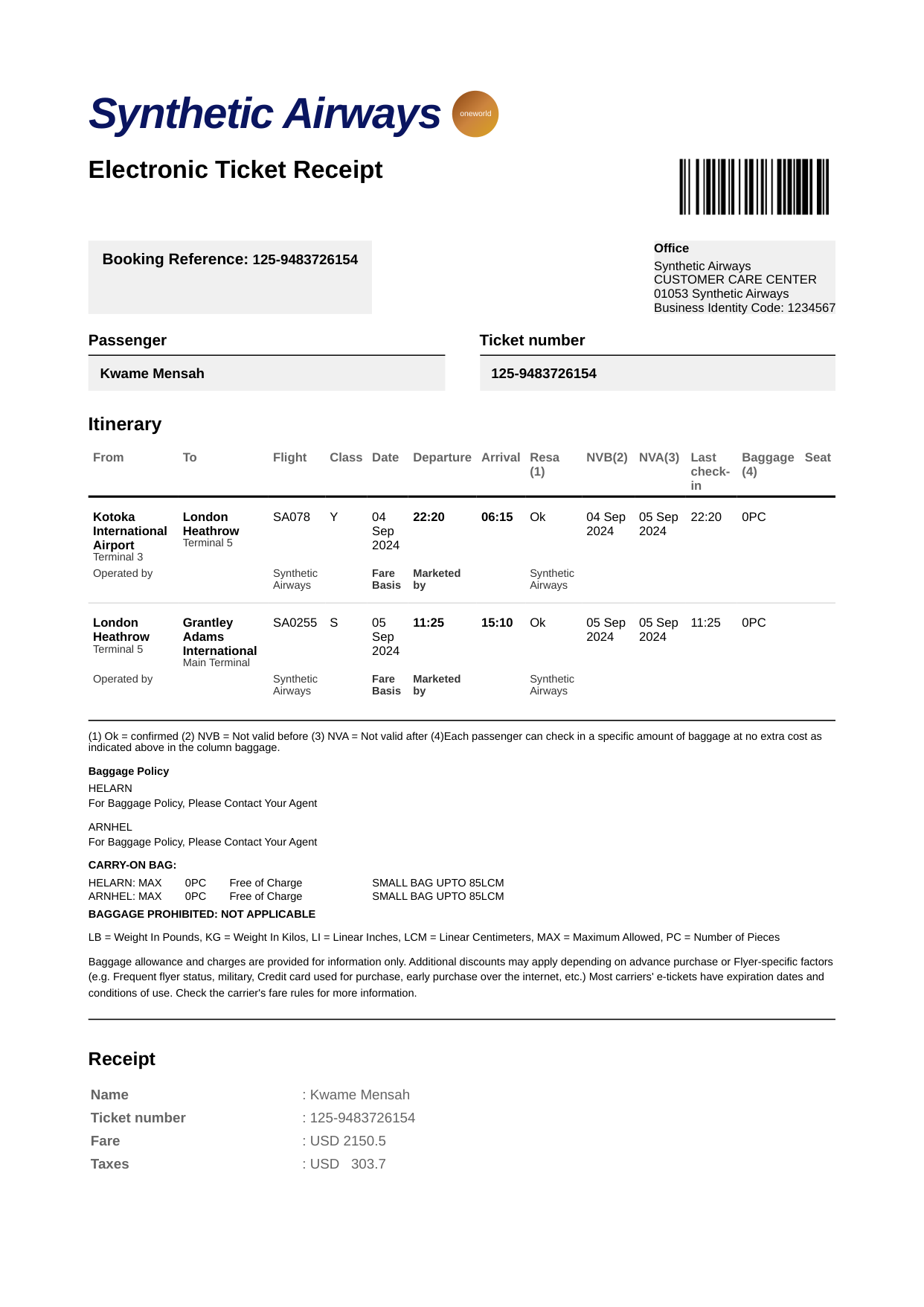
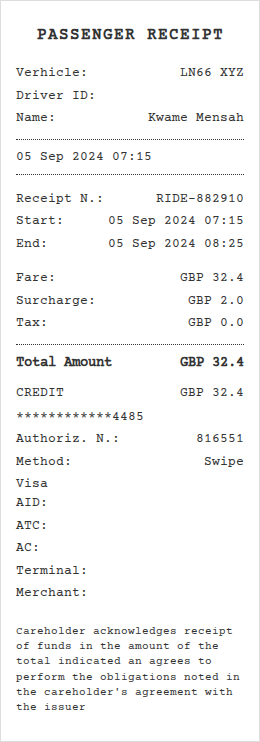
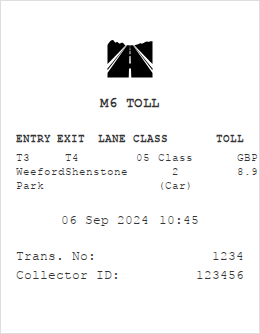
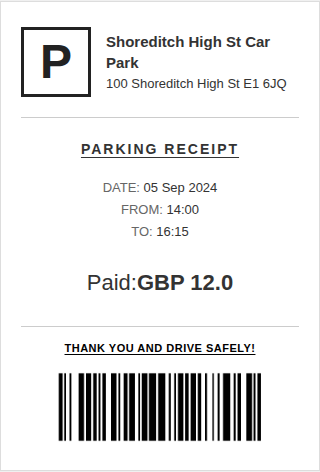
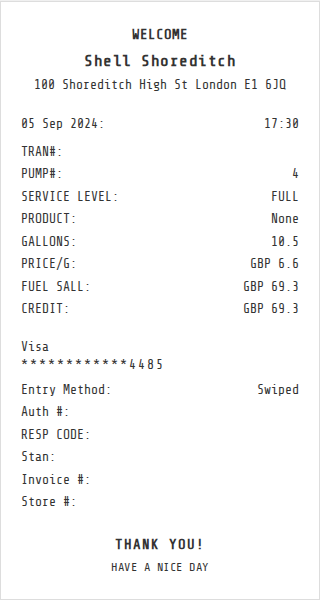
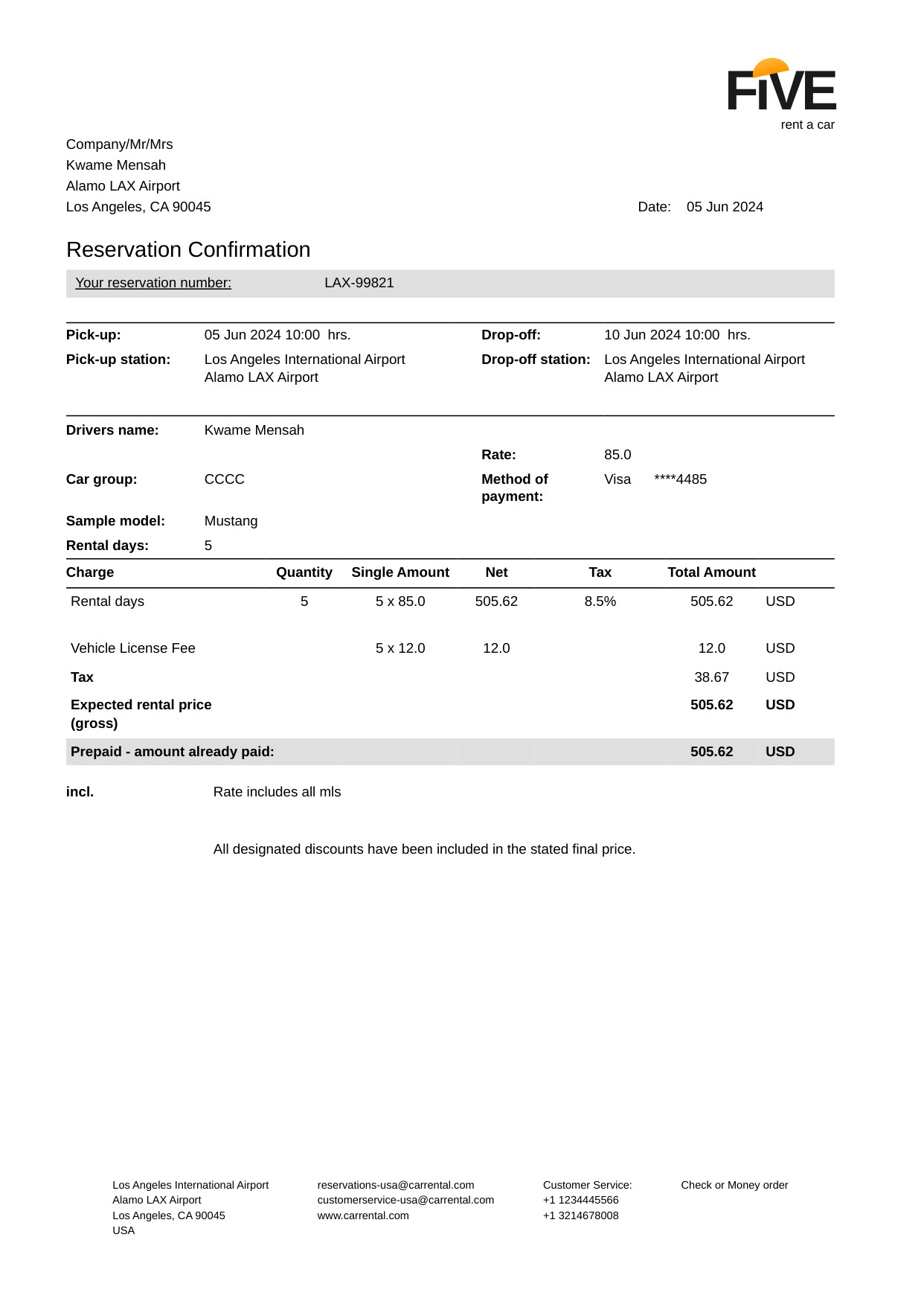
🤔 Can computer-use agents help to do these long tasks?
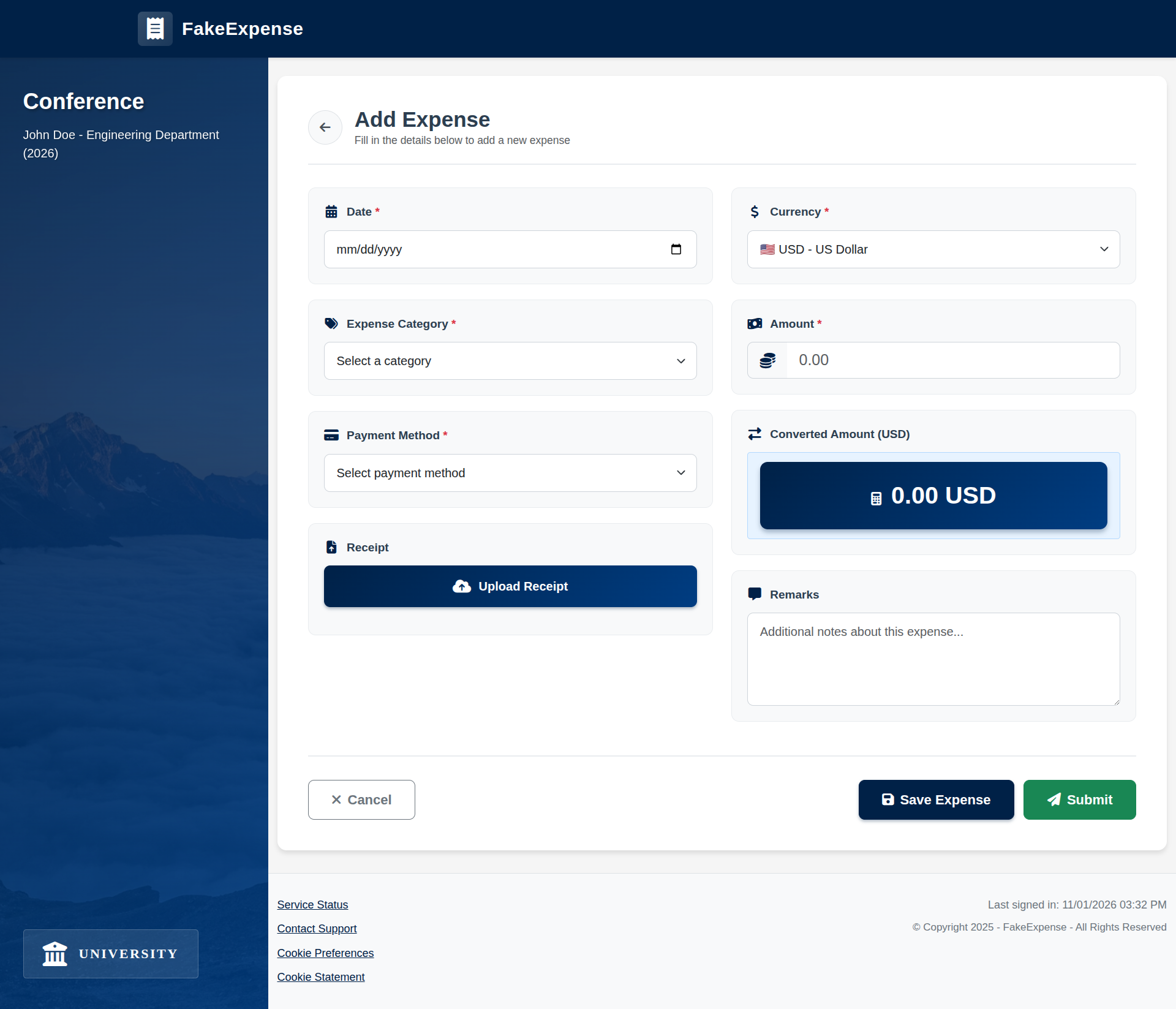
OS-Marathon targets vast-horizon, repetitive tasks.
✨ News & Updates
- 21/08/2026: Our paper is accepted to EMNLP 2026 Main Conference! We are cleaning the code, which will be released soon.
- 1/29/2026: Paper released on arXiv.
- 1/28/2026: Website released.
💡 Key Takeaways
We identify three key challenges for computer-use agents on vast-horizon, repetitive tasks:
- Humans still largely outperform SOTA agents.
- Product-level native agent still struggles to solve vast-horizon, repetitive tasks. Typical failure modes are summerised below:
- Logical Incoherence: Agents fail to comprehend the underlying logic of sub-workflows, often executing tasks in an incorrect sequence.
- Hallucination: Agents frequently hallucinate when attempting to populate system fields.
- Long-horizon Inconsistency: Agents fail to plan the full iterative trajectory required to complete the overall workflow.
- Naively applying the orchestrator framework on off-the-shelf agents is largely counterproductive, providing only occasional gains, e.g., on the field-level metric for the insurance scenario.
📑 Abstract
Vast-horizon, repetitive workflows are common in daily routines, e.g., processing expense reports from a stack of receipts, organising a collection of PDF annotations into structured notes, and are tedious for humans, with execution length scaling with the volume of data to process. They are, however, well-suited to autonomous agents, since their structured, recurring sub-workflows follow a logic that can be systematically learned. Yet no existing benchmark evaluates agents specifically on vast-horizon, repetitive capabilities, leaving the problem largely underexplored. To bridge this gap, we establish OS-Marathon, comprising 100 vast-horizon repetitive tasks across 5 scenarios and 10 domains, on which our evaluation reveals that leading state-of-the-art (SOTA) CUAs struggle substantially. We further find that introducing a task orchestrator to decompose the workflow into per-instance subtasks fails to mitigate the challenge: errors accumulate and propagate across solver agents, indicating that naive decomposition is insufficient for these tasks. We then explore a cost-friendly personalisation strategy, i.e. GraphDemo, that adapts general agents to such tasks from a single human demonstration of the recurring sub-workflow logic. Extensive experiments show both the real-world challenge of vast-horizon, repetitive tasks and the improvement provided by human demonstration in this setting.
🚀 Task Workflow Visualization
We visualize the execution process of two tasks from the expense report and transcript domains to illustrate the complete workflow. Use the controls to switch between examples.
📊 Statistics of the Benchmark
🖥️ Execution Environment Visualization
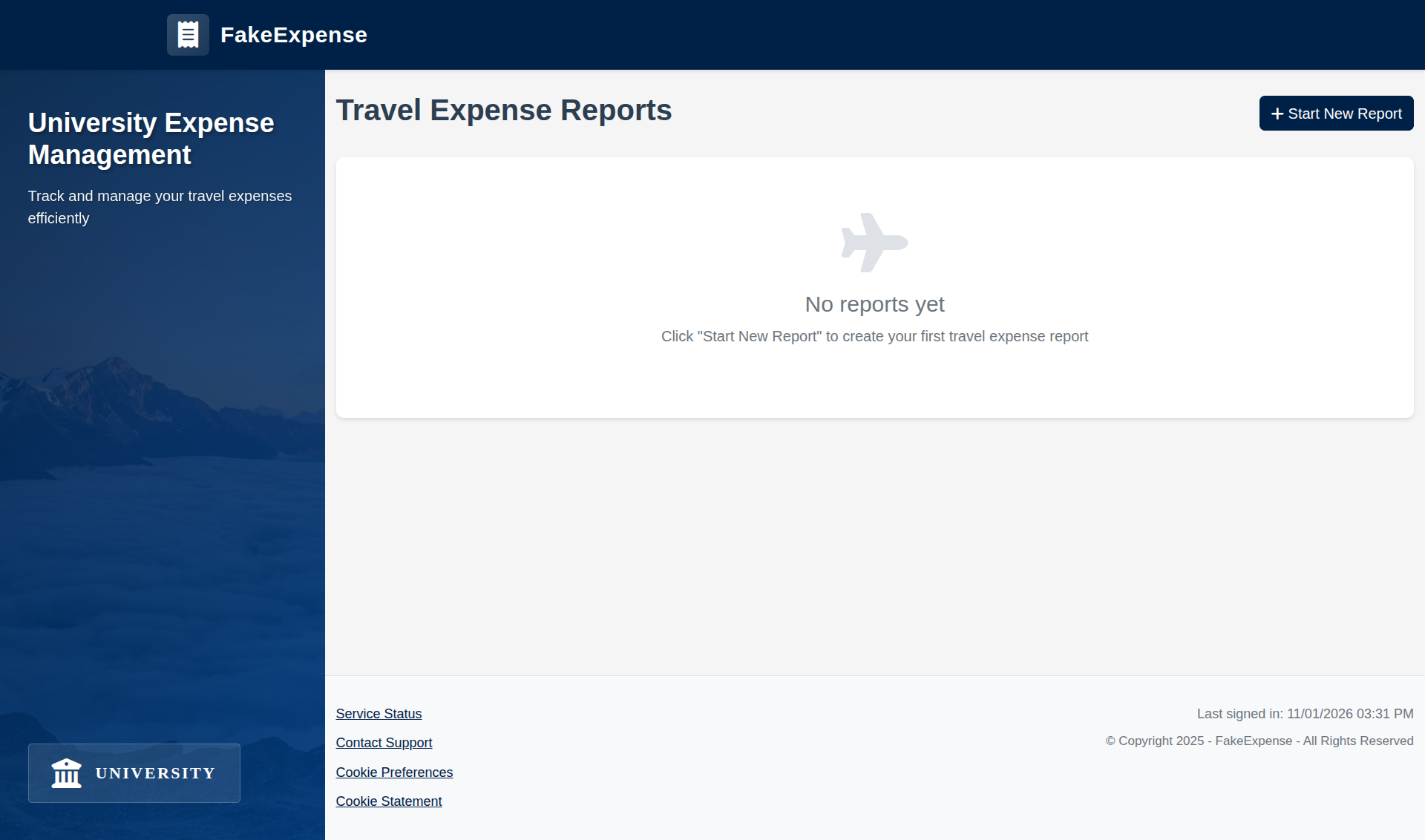
We visualize the execution environment for the tasks. Note that this illustration is for conceptual purposes only, and the data shown may differ from the data used in practice.
University Expense System Environment
Corporate Expense System Environment
GPA Calculator System Environment 1
GPA Calculator System Environment 2
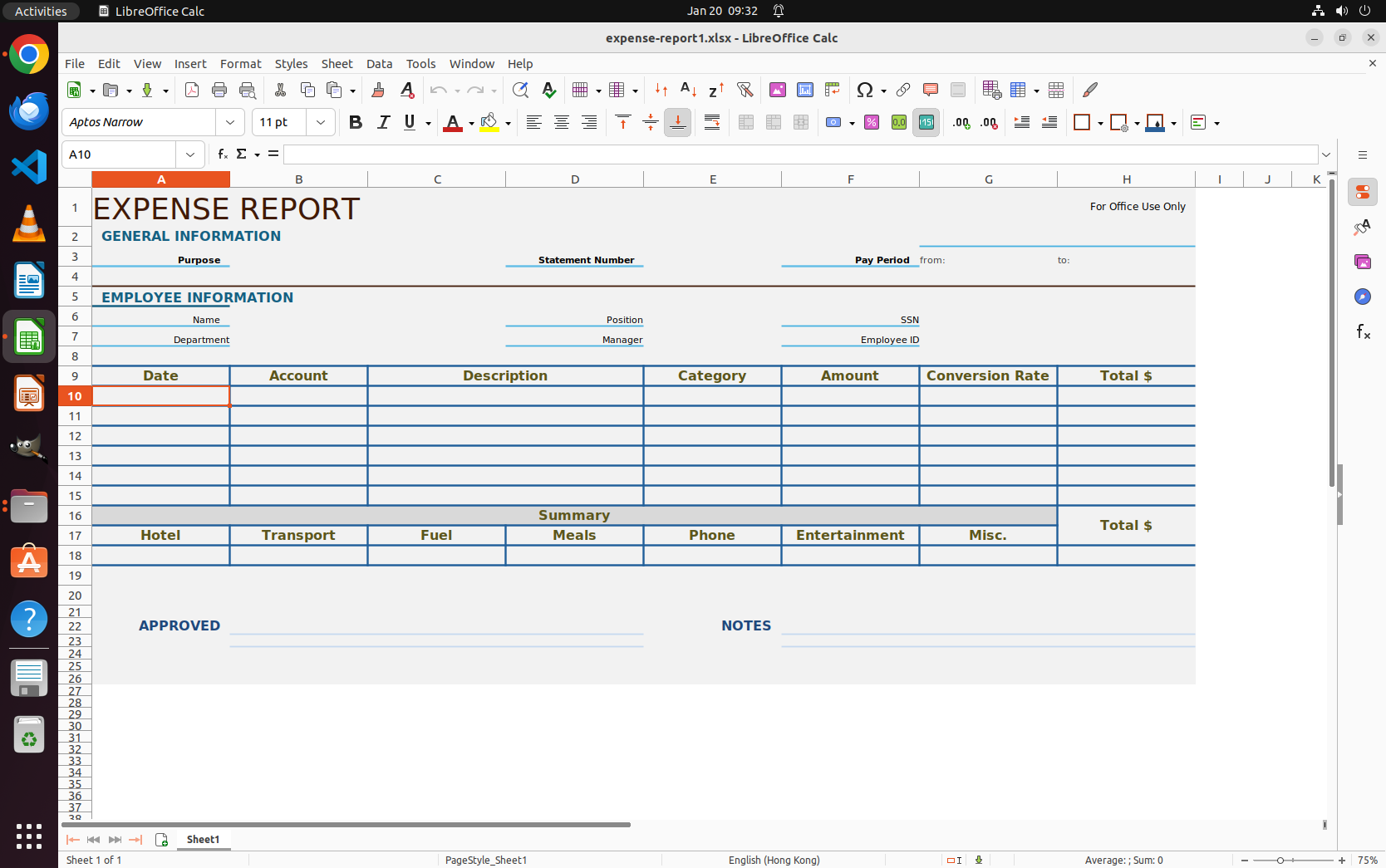
Corporate Expense Spreadsheet Environment 1
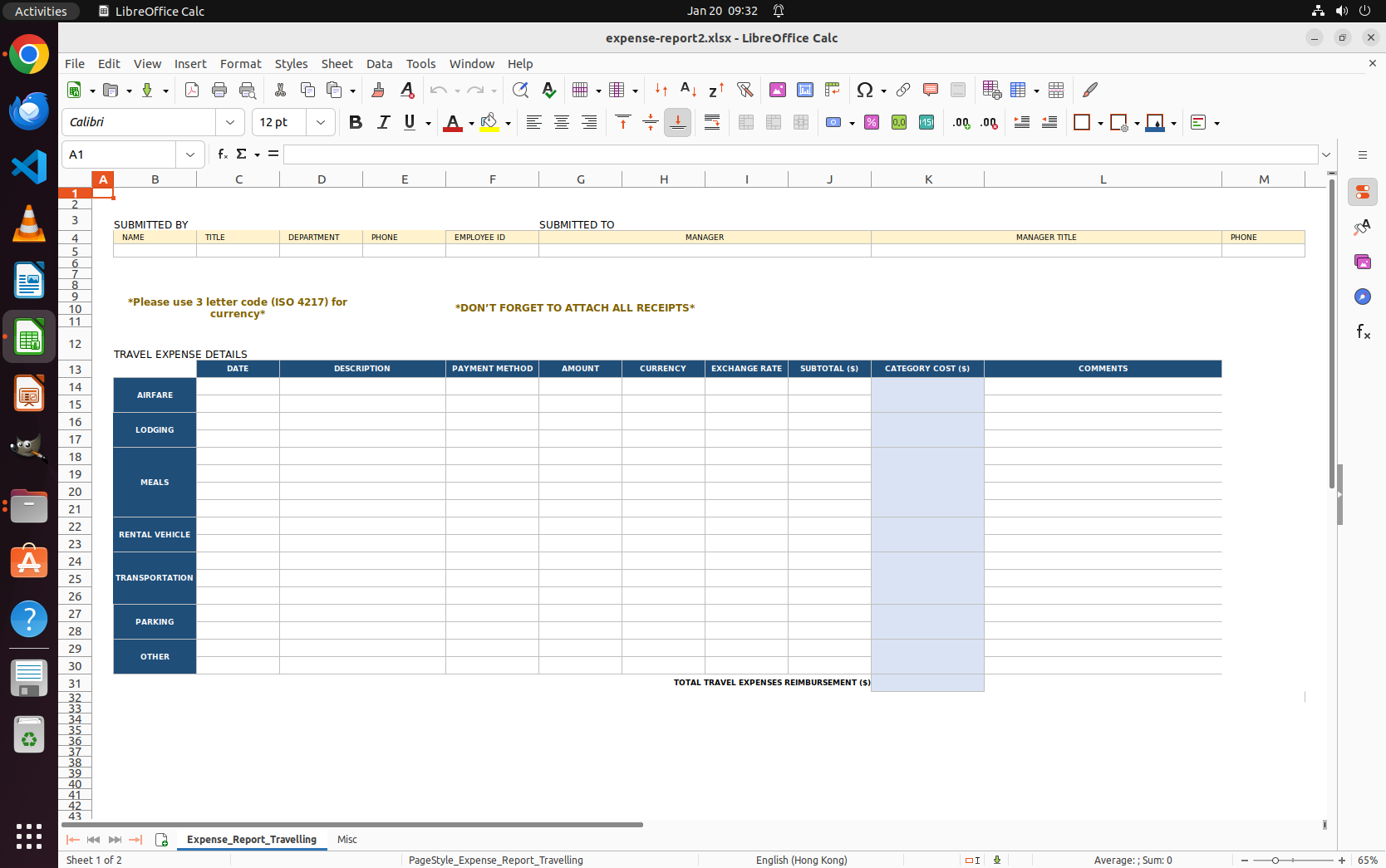
Corporate Expense Spreadsheet Environment 2
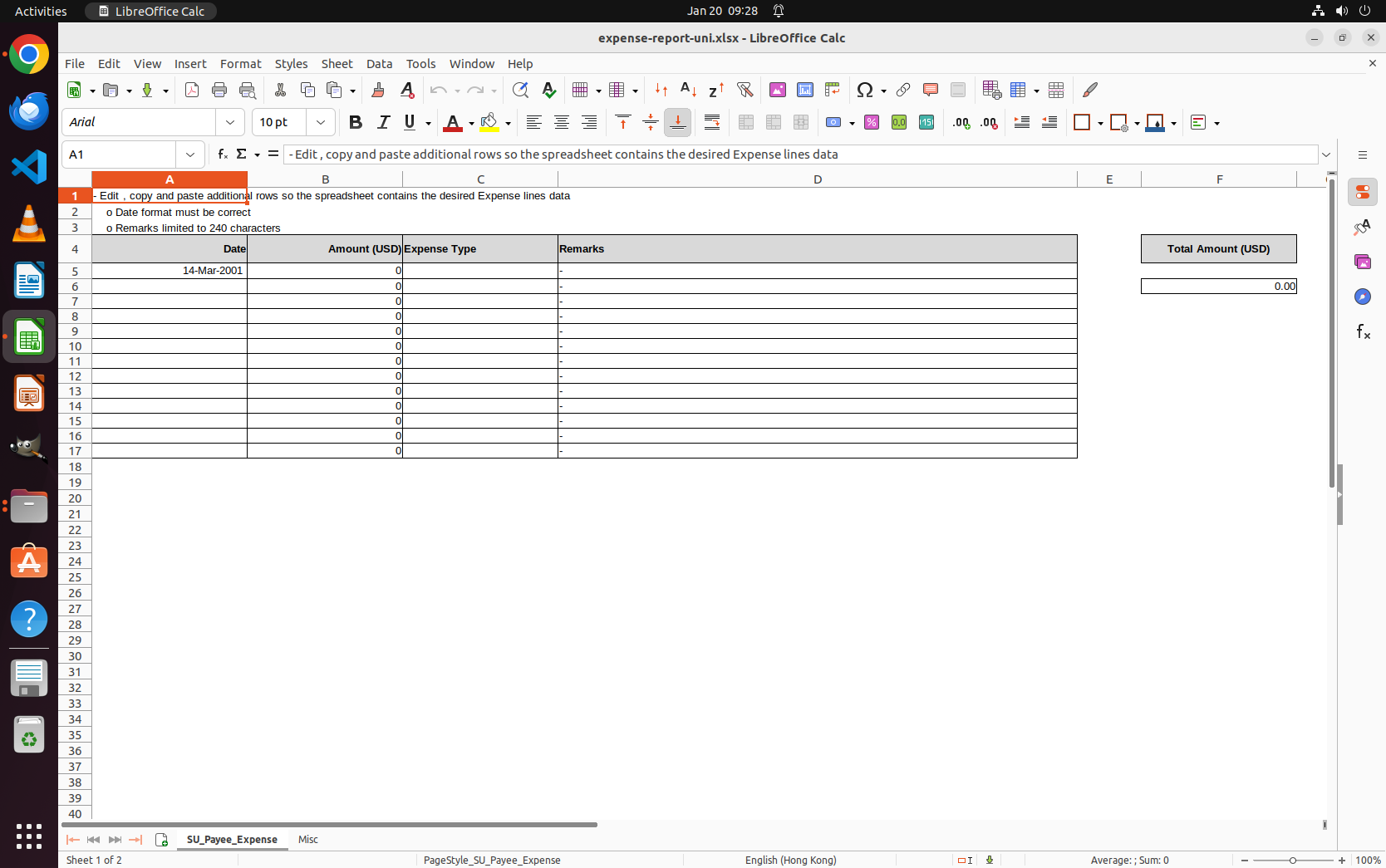
University Expense Spreadsheet Environment
✏️ Qualitative Results
We provide the qualitative results of some baseline CUAs on our benchmark. We attach the agents' action prediction on the top right corner of the video.
📐 Quantitative Results
We compare the performance of the agents on our benchmark. We evaluate the form field-level and subtask-level success rate of the agents across the 5 scenarios in OS-Marathon.
| Agents | Business | Academic Cred. | Education | Note Taking | Insurance | Overall |
|---|---|---|---|---|---|---|
| OpenCUA7B | 02.29 / 00.00 | 04.57 / 00.00 | 00.39 / 00.00 | 15.86 / 20.84 | 10.16 / 00.00 | 06.65 / 04.17 |
| UITARS7B | 00.70 / 00.00 | 00.00 / 00.00 | 00.00 / 00.00 | 14.47 / 19.45 | 02.34 / 00.00 | 03.50 / 03.89 |
| AgentS2.5 w/ GPT5 | 47.93 / 30.61 | 40.76 / 37.08 | 02.73 / 00.00 | 40.49 / 34.71 | 35.59 / 14.82 | 33.50 / 23.44 |
| UiPath w/ Opus 4.5 | 47.85 / 29.95 | 34.32 / 19.08 | 15.17 / 01.56 | 34.92 / 23.93 | 27.24 / 07.29 | 31.90 / 16.36 |
| GPT5.4-Mini | 19.27 / 21.41 | 02.79 / 01.00 | 02.28 / 00.00 | 15.07 / 14.37 | 10.11 / 00.00 | 09.90 / 07.35 |
| GPT5.4-Nano | 00.00 / 00.00 | 00.18 / 00.00 | 00.50 / 00.00 | 14.47 / 14.29 | 03.13 / 00.00 | 03.65 / 02.86 |
| o3 | 00.00 / 00.00 | 00.38 / 00.50 | 00.50 / 00.00 | 19.44 / 16.50 | 03.91 / 00.00 | 04.85 / 03.40 |
| GPT5.4 Native CUA | 82.90 / 61.22 | 67.68 / 55.95 | 57.77 / 35.42 | 78.98 / 65.73 | 54.12 / 38.63 | 68.29 / 51.39 |
🙏 Acknowledgements
This work was conducted during an internship at Microsoft; we thank Microsoft Research (MSR) and Windows Cloud Experience (WCX) for their support. We also thank the authors of the OSWorld benchmark for their open-source infrastructure, which served as a foundation for this project.
📚 Citation
@article{wu2026OS-Marathon,
        title={OS-Marathon: Benchmarking Computer-Use Agents on Vast-Horizon Repetitive Tasks},
        author={Wu, Jing and Ai, Wenjie and Barretto, Daphne and Chen, Yiye and Qingyu, Chen and He, Yuhang and Pranit, Chawla and Gydé, Nicholas and Jian, Yanan and Vineet, Vibhav},
        journal={EMNLP Main Conference},
        year={2026}
}